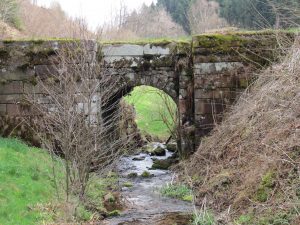
Conference: Water History(s) from the Black Forest and the Upper Rhine
From September 30 to October 2 in Schiltach The conference offers interesting and exciting insights into the diverse and often impressive ways in which we deal with our waters.

From September 30 to October 2 in Schiltach The conference offers interesting and exciting insights into the diverse and often impressive ways in which we deal with our waters.
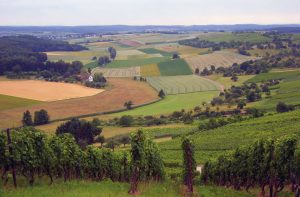
The report on the final evaluation of the special program by the scientific expert committee is now available.
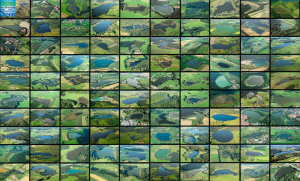
With a joint project, Freiburg Landscape Research supports the action programme for restoration of lakes and ponds in the region of the south-western Prealps, Germany.

Assessing the functionality of buffer zones according to the criteria and goals of the Man and Biosphere - UNESCO-Programme is the aim of a joint project of the Freiburg Landscape Research Institute in cooperation with several partners.
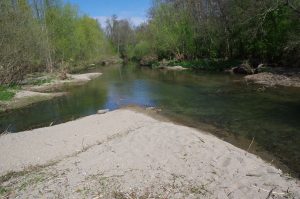
Intensive development and canalization of the River Rhine during previous centuries resulted into severe disconnection of the riparian habitats from the dynamics of the river. An INTERREG-project, started in 2007 in the “Taubergießen” nature reserve, Upper Rhine Valley, aimed on revitalization of the floodplain ecosystem.
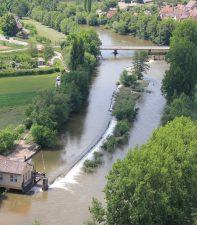
In many places, structures in bodies of water are being removed as part of the implementation of the Water Framework Directive, including those that could have heritage value.
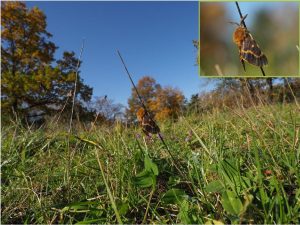
The scientific expert panel now finalized the evaluation of the biodiversity reinforcement program of the federal state of Baden-Württemberg. The report (in German) is available for download:
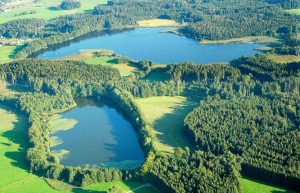
In cooperation with the action program for the restoration of Upper Swabian lakes and ponds, Landespflege Freiburg has launched a project in the field of water protection and biodiversity conservation in agricultural landscapes.

Culterra Volume 68 presents the results of the R+D project “Compensation measures in forests”.
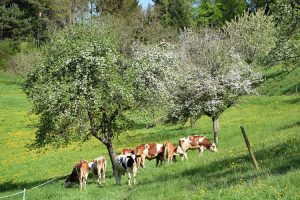
Zoning the area of a reserve into core, buffer, and development compartments is a basic concept of the UNESCO programme on Man and Biosphere (MAB). Specific management objectives are implicit to the zonation types each. Buffer zones are meant to mitigate deliberating impacts on the preserves’ core zones.
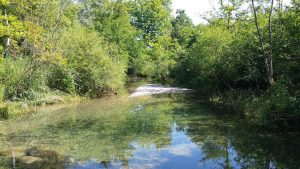
Centuries of water management and canalisation lead to fundamental changes of the characteristics of the River Rhine. As a result, former floodplains fell dry, and meanders and tributaries have been cut off from the main stream.
The report on the first interim evaluation by the scientific expert committee is available.
As every year, experienced employees of the Landespflege support the Arbeitsgemeinschaft Wanderfalkenschutz (AGW) in the ringing of eagle owls and peregrine falcons.
Is it possible to reconstruct grazing effects on common range lands based on formerly recorded life stock numbers and fertilization procedures? A joint project of Landespflege Freiburg and the Black Forest Biosphere Reserve aims on establishing a knowledge and information base in order to support evidence based management strategies for so called ‚Allmenden‘.
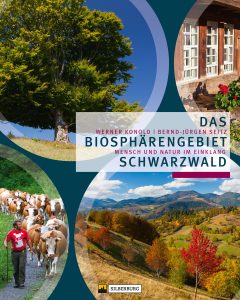
Werner Konold and Bern Seitz edited a book that introduces the characteristics of the Biosphere Reserve newly established in the Southern Black Forest Region.
Biodiversity loss is continously progressing in agricultural landscapes nearly all over Europe. In order to counteract this process, the Landespflege Freiburg is currently developing evidence based decision making and adaptive management systems.

Landespflege Freiburg is advising the client Abfallwirtschaft und Stadtreinigung Freiburg GmbH (ASF) on the establishment of protected acidophilous grassland at the Eichelbuck landfill site.
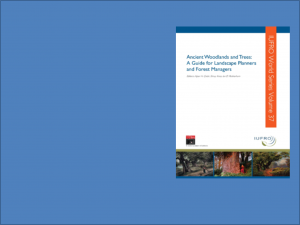
Together with scientists from several Institutions around Freiburg, Germany, Thomas Kaphegyi and Werner Konold co-authored a section of a new world series volume published by the International Union of Forest Research (IUFRO).
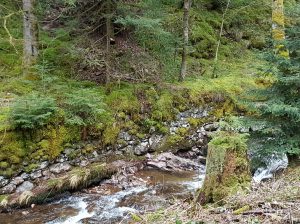
With this project, we explore and document historic transport techniques for timber formerly applied in the Black Forest Region.
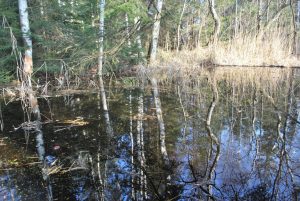
The ecological status of German rivers and wetlands is still deficient. The management of agricultural landscapes adjacent to waters can considerably affect the ecology of rivers, lakes and wetlands, and the land use pressure on riparian areas is permanently increasing (see e.g. Kaphegyi et al. 2015).